The press
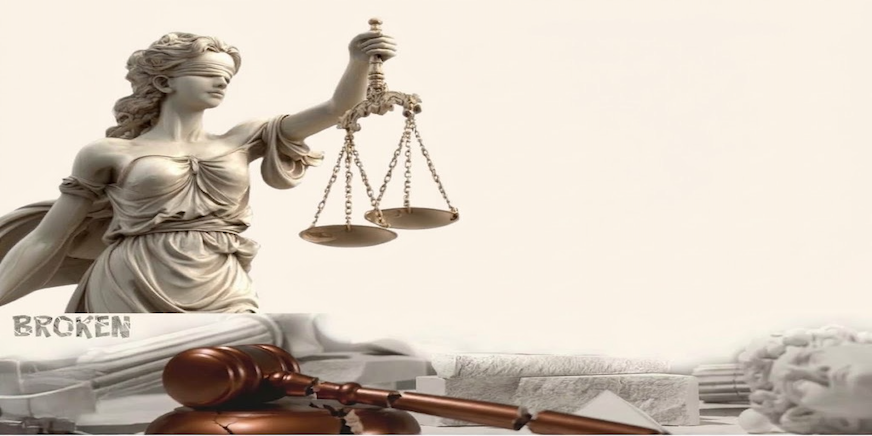
Broken System

Equitableness Just & Fair
Whether the justice system is “broken” is subjective, as critics and defenders present vastly different evidence and structural realities. Rather than a single failure, most experts see the legal system as a complex web of competing priorities, with severe structural flaws existing alongside foundational rights and protections.
Arguments That the System Is Broken
The United States boasts the highest incarceration rate worldwide. Critics contend that the system excessively relies on punitive detention rather than rehabilitation, disproportionately affecting impoverished communities and minorities. The cash bail system disproportionately affects non-violent, lower-income individuals, keeping them in jail before trial simply because they lack the financial means to pay bail. This system contrasts sharply with wealthy defendants who remain free. Furthermore, underfunded public defender systems result in extremely high caseloads, leaving overworked attorneys with limited time to thoroughly evaluate each client’s case.
In the United States, over 90% to 95% of criminal convictions are resolved through plea bargains instead of trials by jury. Critics term this practice as a “trial penalty,” where defendants face significantly longer sentences if they exercise their constitutional right to a jury trial and are found guilty. Statistical studies consistently reveal significant racial and socioeconomic disparities at every stage of the criminal justice system, including police stops and arrests, charging decisions, plea offers, and sentencing lengths for identical offenses.
Prisons often function as punitive facilities rather than places of rehabilitation. Without access to education, job training, or mental health support, a significant portion of former inmates reoffend within a few years
Plea Deals
In a criminal case, a plea bargain is an agreement between the prosecutor and the accused. The accused has the option to plead guilty to a lesser offense, avoiding trial and potentially harsher penalties. Prosecutors often use the threat of trial penalties to coerce people into accepting pleas, despite their innocence. This practice discourages innocent individuals from exercising their right to a trial and encourages them to admit to crimes they didn’t commit, waiving crucial rights for a fair criminal legal process. Guilty plea deals can be offered and accepted even after an incarcerated person proves their innocence with solid evidence. Imprisoned individuals can have their sentences reduced or be released with time served, but only if they agree to plead guilty under a conditional plea. Refusal to plead guilty may result in continued incarceration while their appeals proceed through the court system.

For decades, DA races remained largely unnoticed, with incumbents often running unopposed on traditional “tough on crime” platforms. However, studies reveal that prosecutors historically increased prison commitments during election years to project a message of harshness to voters.
The Historical Context and Power of the District Attorney at the Ballot Box
When inner-city residents and formerly incarcerated voters actively participate in DA elections, they hold prosecutors accountable to the community’s needs rather than political pressures. This shift in focus leads to a transformation of local justice from punitive models to community safety and rehabilitation.
California comprises 58 counties, each represented by a 58th Elected District Attorney. As per California Government Code Section 26500, the District Attorney is responsible for prosecuting criminal offenses that infringe upon state law and county ordinances within their respective counties. Additionally, the District Attorney provides legal counsel to the Grand Jury.
The District Attorney, arguably the most influential official in the criminal justice system, holds significant power. While police officers make arrests and judges impose sentences, prosecutors play a crucial role in determining who faces charges, the nature of the crimes, and the severity of the punishments.
For individuals residing in inner-city communities and those involved in the justice system, participating in DA elections directly impacts their daily lives, public safety, community stability, and the trajectory of mass incarceration.
Record Expungement
District Attorneys have the power to actively support or hinder record clearance programs, clean slate initiatives, and post-conviction relief. For justice-involved individuals, a prosecutor committed to record sealing can significantly remove lifelong barriers to housing, employment, and voting rights.